One More Ride in RDR2
 Nayantha Nethsara
•
10 min read
What Red Dead Redemption 2 Taught Me About Regret, Redemption, and Second Chances
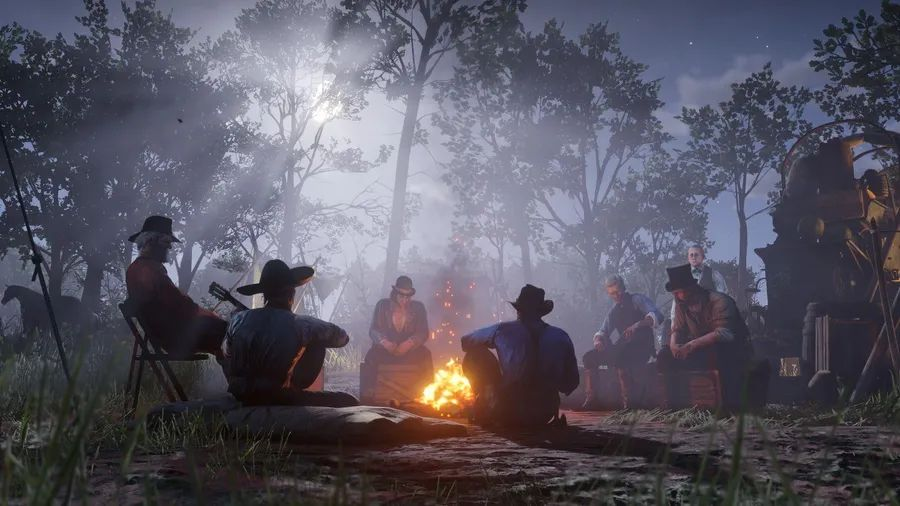
"We’re thieves in a world that don’t want us no more." — Arthur Morgan
When a Game Feels Personal
I’ve always been fascinated by how things work in systems, in code, and in people.
Games, for me, were never just about high scores or 100% completion.
They were places to explore why we act the way we do — what we choose when there’s no real consequence.
They were places to explore why we act the way we do — what we choose when there’s no real consequence.
But sometimes, a game holds up a mirror.
And it doesn’t feel like a test anymore. It feels personal.
And it doesn’t feel like a test anymore. It feels personal.
That’s what Red Dead Redemption 2 became for me.
"You don’t get to live a bad life and have good things happen to you." — Arthur Morgan
My First Playthrough: Chaos and Consequence
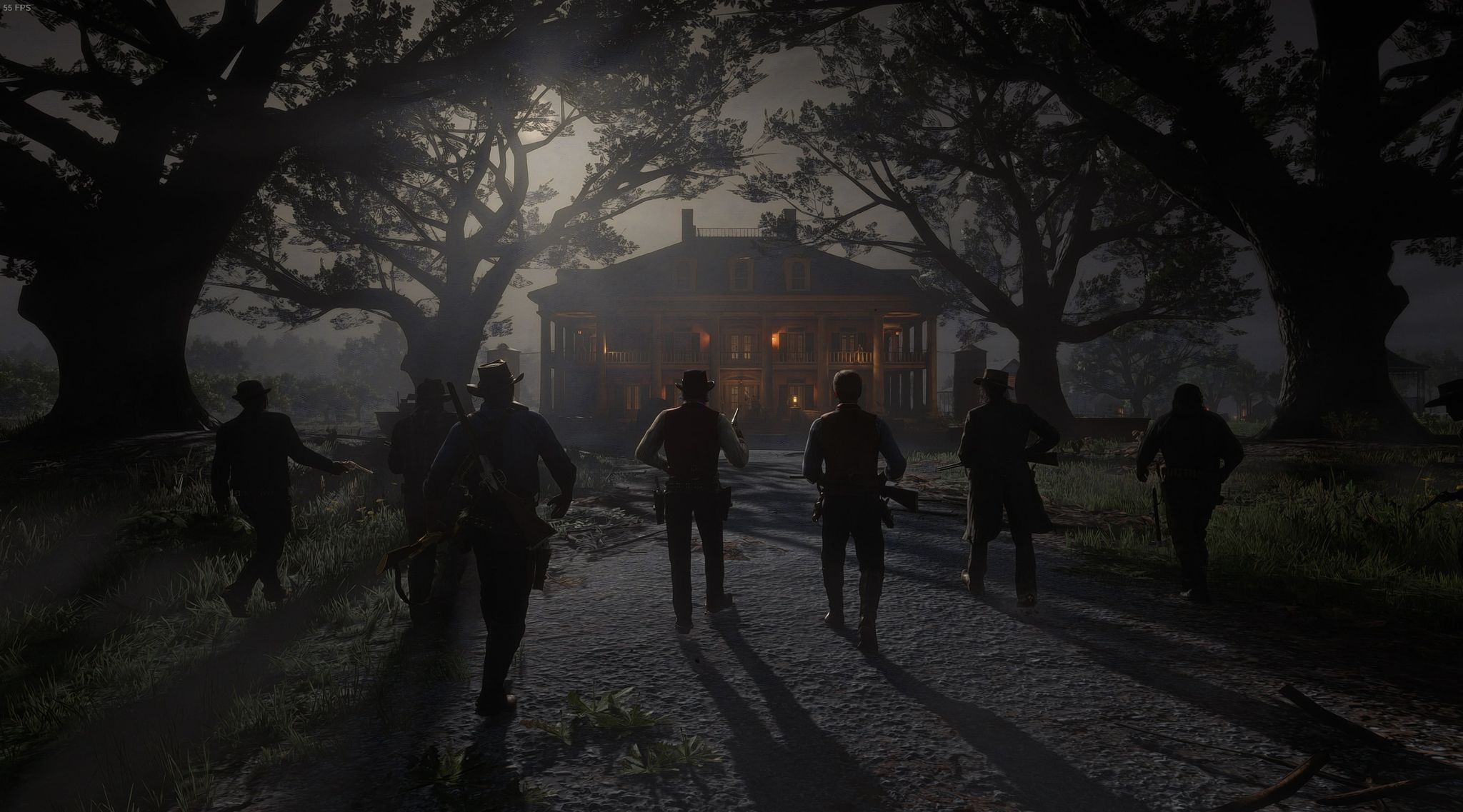
I first played RDR2 a few years ago. Like many open-world games, I treated it
like a sandbox. Cause chaos. Push the boundaries. See what happens.
I wasn’t really thinking about Arthur Morgan. He was just a character in my control.
So I made selfish choices — robbed trains, got into fights, ignored people asking for help.
So I made selfish choices — robbed trains, got into fights, ignored people asking for help.
But as the story progressed, something unexpected happened.
Arthur changed. He got sick. And his time started to run out.
And for the first time in the game, I felt it too.
I realized I couldn’t keep playing recklessly.
That every choice had weight. That people were watching. Trusting. Depending on me.
That every choice had weight. That people were watching. Trusting. Depending on me.
So I changed. I tried to make it right.
I helped strangers. I took care of my gang. I showed compassion.
I helped strangers. I took care of my gang. I showed compassion.
I finished the game with “high honor,” but the regret still lingered.
Because even though I tried to do good at the end, the damage had already been done.
"I gave you all I had. I did." — Arthur Morgan
That stuck with me.
Years Later, A Different Player
I didn’t plan to replay the game.
But recently, I came back to it — out of curiosity, nostalgia maybe.
This time, though, everything felt different.
This time, though, everything felt different.
I wasn’t just older. I was different.
This time, I wasn’t rushing through missions. I wasn’t looking for upgrades or secrets.
I was paying attention.
I was paying attention.
To the conversations. The quiet moments. The people.
I wasn’t playing like someone in control of a world.
I was playing like someone just trying to hold on to what matters — one last time.
I was playing like someone just trying to hold on to what matters — one last time.
- One more ride
- One more sunrise
- One more story told around a campfire
- One more chance to be the kind of person I wish I had been the first time
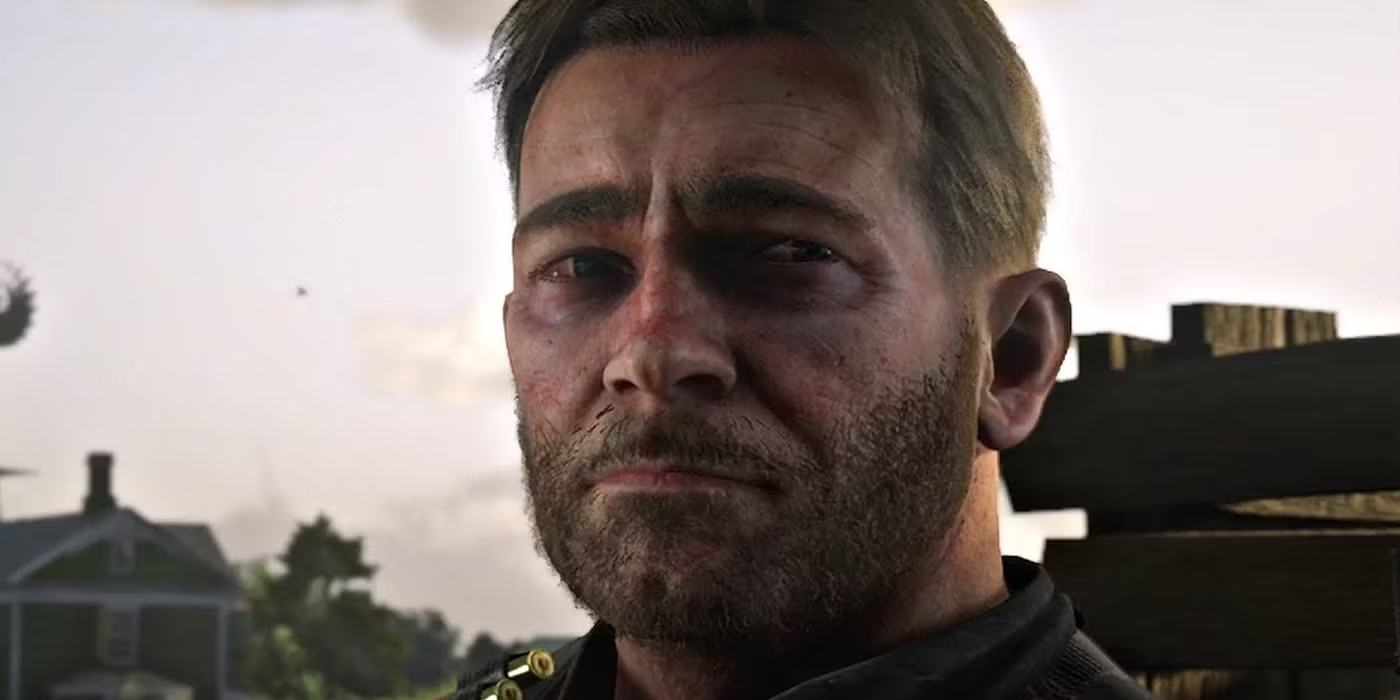
"There’s a good man within you... but he is wrestling with a giant." — Sister Calderón to Arthur
When Storytelling Hits Home
That’s the thing about great games.
They’re not just interactive. They’re reflective.
Red Dead Redemption 2 didn’t just give me missions to complete.
It gave me people to care about.
It made me question who I was in that world — and maybe outside it too.
It gave me people to care about.
It made me question who I was in that world — and maybe outside it too.
Arthur Morgan’s story is tragic, but it’s also redemptive.
It shows that even if you’ve made mistakes, there’s still a chance to make something meaningful out of what’s left.
It shows that even if you’ve made mistakes, there’s still a chance to make something meaningful out of what’s left.
And that idea — that even when we can’t start over, we can still try again — feels incredibly real.
"You got a choice. Only you ain’t see it. There is a light. A way out." — Rains Fall
Parallels With Real Life
Sometimes we live on autopilot.
We get caught up in deadlines, distractions, dopamine loops.
We get caught up in deadlines, distractions, dopamine loops.
We forget that the people around us — our friends, family, even strangers — won’t always be there.
That our time, like Arthur’s, is limited.
That our time, like Arthur’s, is limited.
And when that realization hits, it’s not always dramatic.
Sometimes it comes quietly, through a line of dialogue, or a familiar song playing while you ride across an open plain.
Sometimes it comes quietly, through a line of dialogue, or a familiar song playing while you ride across an open plain.
That’s what happened to me.
It wasn’t just a game session. It was a quiet reminder:
It wasn’t just a game session. It was a quiet reminder:
- To be more intentional
- To show up for people
- To make choices I won’t regret later
More Than Just Entertainment
Games can be fun, competitive, beautiful. But they can also be something more.
They can teach us empathy. They can challenge our values.
They can remind us that what we do — even when no one’s watching — matters.
They can teach us empathy. They can challenge our values.
They can remind us that what we do — even when no one’s watching — matters.
This wasn’t just a replay.
It was a moment of reflection.
It was a moment of reflection.
I came back to the same world, the same story.
But I wasn’t the same player.
But I wasn’t the same player.
"I tried. In the end, I did." — Arthur Morgan
And maybe that’s the real power of interactive storytelling.
We don’t always get to start over.
But sometimes, we do get to try again.
But sometimes, we do get to try again.
And maybe, just maybe — that’s enough.